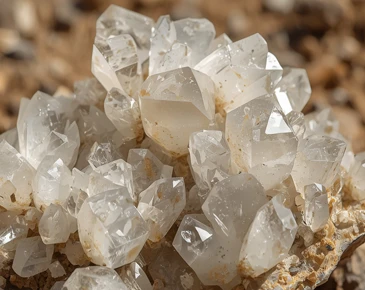
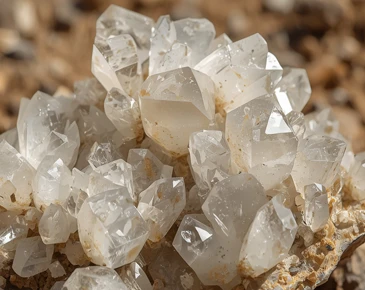
Every solar panel is, at its core, refined sand. Solar cells are made from silicon, and silicon comes from quartz, one of the most abundant minerals on Earth. But only rare, exceptionally pure deposits can be refined to the purity that solar cells and semiconductors require.
Getting from rock to panel means crushing quartz into high-purity sand, smelting it into silicon metal, purifying that into polysilicon, growing single crystals, slicing them into wafers, and building cells and modules. Each step is precise, energy-intensive, and today, concentrated offshore.
QSM exists to bring those steps home. An integrated supply chain spanning every key upstream stage, built on domestic resources and manufacturing. Here is how the chain works, and where we fit in.
8
steps from quartz rock to finished module
15
projects in execution and planning, 4 countries
62 GW
of U.S. wafer demand each year
10.5%
of what is currently made in America, QSM is closing the gap
The supply chain
Eight steps. One supplier. Complete control.
Follow the material from secured quartz deposits to the manufacturers we supply. Steps one to six are QSM’s; seven and eight belong to our customers.
Step 01 · Quartz
High-grade quartz
Everything starts with the rock. High-grade quartz is mined from secured mineral deposits, the raw material behind every solar wafer, and the reason QSM controls its supply from the very first step.
Secured deposits
Foundation of the chain
Step 02 · High-purity quartz sand
Ultra-high-purity sand
Through our subsidiary Ausquartz, quartz rock is crushed, washed, and refined into ultra-high-purity sand, the essential starting point for silicon wafer production, meeting solar and semiconductor specifications.
Ausquartz subsidiary
Solar & semiconductor grade
Step 03 · Silicon
Green silicon metal
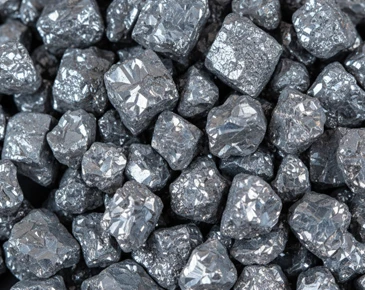
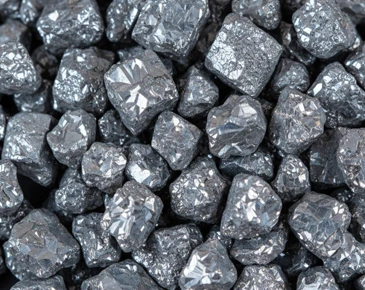
Quartz is reduced in furnaces to metallurgical-grade silicon. Our New Zealand subsidiary Southland Silicon Materials is developing the world’s first green silicon metal smelter, running on renewable energy to produce chemical-grade silicon with a minimal carbon footprint.
World-first green smelter
Renewable-powered
Step 04 · Polysilicon
Green polysilicon
Silicon metal is purified further into solar-grade polysilicon, the feedstock for crystal growth. SSM’s green polysilicon plant pairs with the smelter, keeping the carbon footprint of the chain’s most energy-intensive steps to a minimum.
Solar grade
Minimal carbon footprint
Step 05 · Ingots
Monocrystalline ingots
Polysilicon is melted in quartz crucibles and pulled into single-crystal boules using the industry-standard Czochralski (CZ) process and other proven crystal-growth techniques, under tightly controlled conditions.
Czochralski process
Monocrystalline
Step 06 · Wafers
Precision wafers
Ingots are sliced into precision wafers with advanced diamond-wire saw technology, meeting strict thickness and purity specifications, the substrate for every solar cell, supplied domestically.
Diamond-wire sawn
Strict specifications
Step 07 · Cells
Solar cells
Wafers are processed into solar cells by the manufacturers we supply, using domestically produced, FEOC-compliant material that keeps their government-support eligibility intact.
Made with QSM material
Downstream customer stage
Step 08 · Modules
Finished modules
Cells are assembled into finished modules, completing a supply chain that starts with quartz in the ground and ends with solar made where it is used.
Completes the chain
Downstream customer stage
Also in the chain
Quartz crucibles
Developed through Ausquartz and partners, quartz crucibles are essential for melting polysilicon in crystal-growth furnaces, and the global market is concentrated in Asia. Producing them domestically removes one more single point of failure.
Diamond-wire-sawn precision wafers, the substrate for every solar cell.
The wafer gap
America needs 62 GW of wafers. It makes 6.5.
The rest arrives by ship, exposed to freight, tariffs, and policy decisions that manufacturers can’t control. QSM is closing the gap with domestic capacity at every stage of production.
6.5 GW domestic55.5 GW imported
0102030405060 GW
10.5%made in America
6.5 GW domestic55.5 GW imported
Figures: SEIA / PV Magazine, 2025
55.5 GW
of wafers imported into the U.S. every year
1/2
of new U.S. generation in 2025 came from solar
100k+
jobs reshoring could create, per SEIA
Made in America
American-made, at every stage.
QSM manufactures in the United States, with operations in California and facilities in development across Australia and Europe. Every input we produce strengthens domestic energy security and brings skilled manufacturing jobs home.
And because QSM is free of Foreign Entity of Concern exposure, the manufacturers we supply stay eligible for U.S. government support programs that depend on it.
FEOC compliance, in practice
What sourcing from QSM means for downstream manufacturers.
Eligibility protected for customers pursuing domestic-content incentives and US government support
No foreign-entity-of-concern exposure anywhere in the supply chain, from mine to wafer
Traceable inputs at every stage, because every stage is controlled by QSM
Supply you can plan on, insulated from freight, tariff and policy shocks
Fifteen projects are bringing this chain home.
Plants in execution and in planning across the United States, Australia, New Zealand and Portugal, see where each step of the chain is being built.